Studio Team
Post-Production
7 min
How to build expressive type systems for editorial sites without losing readability and hierarchy.
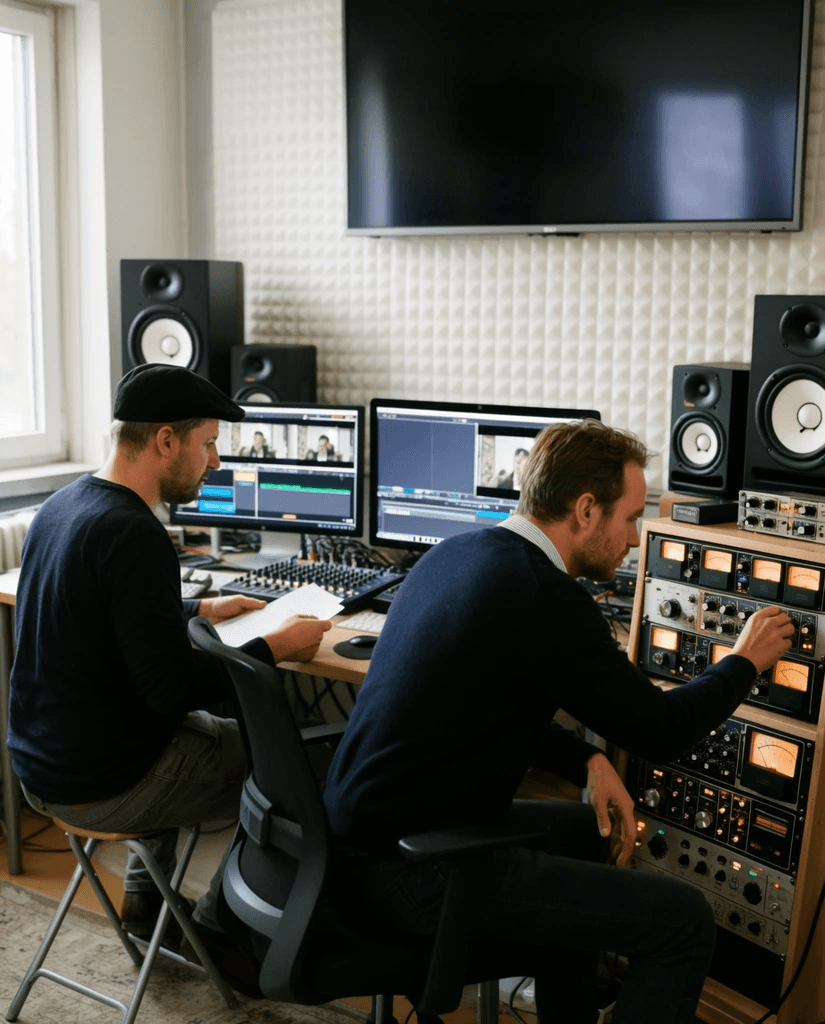
Sound design is the invisible architect of emotion in film. It shapes mood, directs attention, and can turn an ordinary scene into a visceral experience.
Core Principles of Effective Sound Design
Layered Texture: Combine ambient, foley, and musical elements for depth.
Dynamic Range: Use contrast between silence and peaks to heighten tension.
Motivic Consistency: Recur sonic motifs to reinforce narrative themes.
Production Workflow
1. Spotting Session – Identify moments that need sound enhancement.
2. Library Curation – Gather or create high‑quality samples.
3. Mixing & Balancing – Ensure dialogue remains clear while atmospheric sounds add richness.
4. Mastering – Optimize for various playback environments.
Case Study: Sound‑Centric Documentary
In a recent documentary about urban soundscapes, we used field recordings of street traffic, distant conversations, and subtle musical drones. The result was an immersive audio journey that kept viewers engaged and emotionally invested, driving a 20% increase in watch‑through rate.
Ultimately, thoughtfully crafted sound design elevates visual storytelling, making each frame resonate on a deeper, sensory level.